
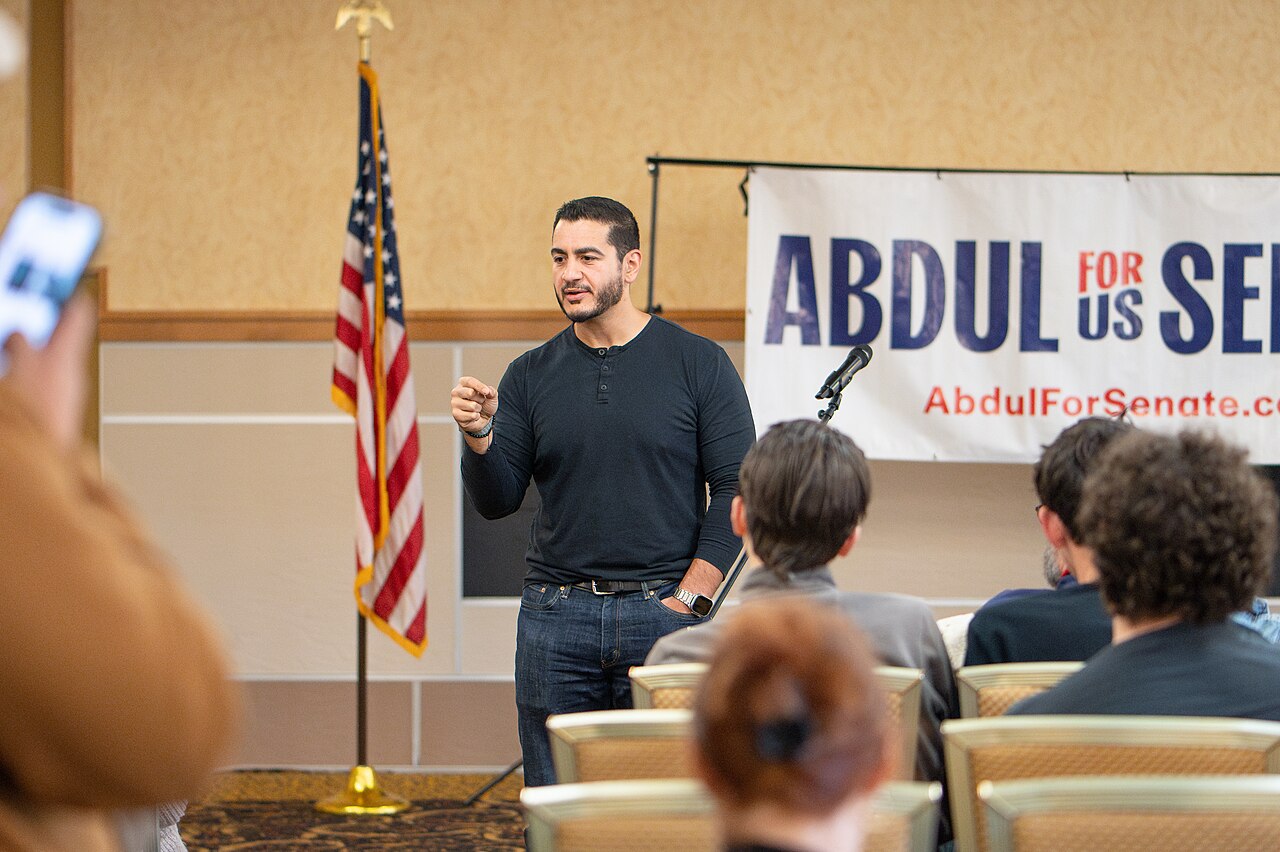
Religion has long played an important role in American politics, particularly within the Republican Party. According to a 2024 Pew Research Center study, 81% of Republican-aligned voters identify as Christian, compared to 54% of Democratic-aligned voters. However, two Democratic victories in the 2026 midterms are challenging traditional assumptions about religion's role in politics. In Texas, James Talarico won a historic Senate victory using Christianity to advocate for progressive policies, while in Michigan, Abdul El-Sayed became the first Muslim American elected to the Senate despite controversies surrounding his religious identity. Together, their victories raise questions about how religion shapes political identity and whether the Democratic Party can effectively embrace religious pluralism.
In Texas, former public school teacher and Presbyterian seminarian James Talarico challenged the traditional association between Christianity and conservative politics. His campaign drew on the biblical command to love one's neighbor, connecting Christian teachings to progressive policies on immigration, abortion, and economic inequality.
His method contrasted with that of Republican opponent Ken Paxton, who emphasized conservative Christian values and religion's role in public institutions. Their disagreement was particularly visible in education policy. Paxton has defended legislation requiring the Ten Commandments in Texas public schools, while Talarico argued that the requirement undermines religious freedom. Although both candidates invoked Christianity, they offered competing interpretations of what Christian values should mean for public policy.
While Talarico challenged conservative interpretations of Christianity in Texas, Abdul El-Sayed's campaign in Michigan revealed a different set of challenges surrounding religion and political identity. Unlike Talarico, whose Christianity is central to his political messaging, El-Sayed's Muslim identity became intertwined with debates over the Democratic Party's ideological direction.
Raised in a Muslim household, El-Sayed described his faith as emphasizing compassion and responsibility toward others. A physician and former Detroit health director, he has advocated for progressive policies including Medicare for All and economic equality. His candidacy also exposed divisions within the Democratic Party, particularly over Israel and Gaza.
In Michigan's August Democratic primary, El-Sayed defeated moderate Congresswoman Haley Stevens, who supported continued U.S. military aid to Israel. El-Sayed, meanwhile, called for ending that aid and criticized Israel's actions in Gaza. The primary exposed deep divisions within the Democratic Party, with AIPAC-backed spending favoring Stevens. Those divisions intensified on November 1, when Stevens endorsed Republican Mike Rogers, citing disagreements over Israel-related messaging and El-Sayed's association with progressive streamer Hasan Piker.
El-Sayed also faced attacks from Rogers, who questioned his family's alleged connections to the Muslim Brotherhood. El-Sayed denied any affiliation, while Rogers maintained that his criticisms concern national security rather than religion. Rather than distancing himself from his faith, El-Sayed embraced it, describing himself as a “man of faith” while emphasizing economic concerns. Despite these controversies, El-Sayed defeated Rogers in one of the most closely watched races of the 2026 midterm elections on November 3.
The two campaigns by Talarico and El-Sayed reveal an imbalance in how religious identity operates in American politics. While Talarico faced disagreements over how Christianity should inform public policy, El-Sayed faced questions about whether his religious background makes him politically suspect. Political disagreements should not be confused with religious intolerance, and Democrats can disagree with El-Sayed's foreign policy positions without questioning his belonging as a Muslim American. The challenge is maintaining the party's commitment to religious pluralism even when candidates' beliefs and political priorities differ from those of its establishment.
These victories could have implications beyond the 2026 midterms, particularly as Democrats consider how to rebuild their national coalition ahead of the 2028 presidential election. Talarico's success raises an important possibility: winning back religious voters may require less of a shift in policy than a shift in messaging. By framing progressive economic priorities through familiar Christian values, Democrats could potentially reach voters who have historically favored Republicans, particularly in the South. Still, religious messaging alone may not overcome disagreements over social issues.
At the same time, El-Sayed's victory challenges the assumption that Democrats must prioritize moderate candidates over progressive ones to win competitive elections. Democrats cannot afford to treat moderate and progressive voters as competing priorities. Their path to 2028 may depend on finding common ground between them, without expecting either group to compromise its values.
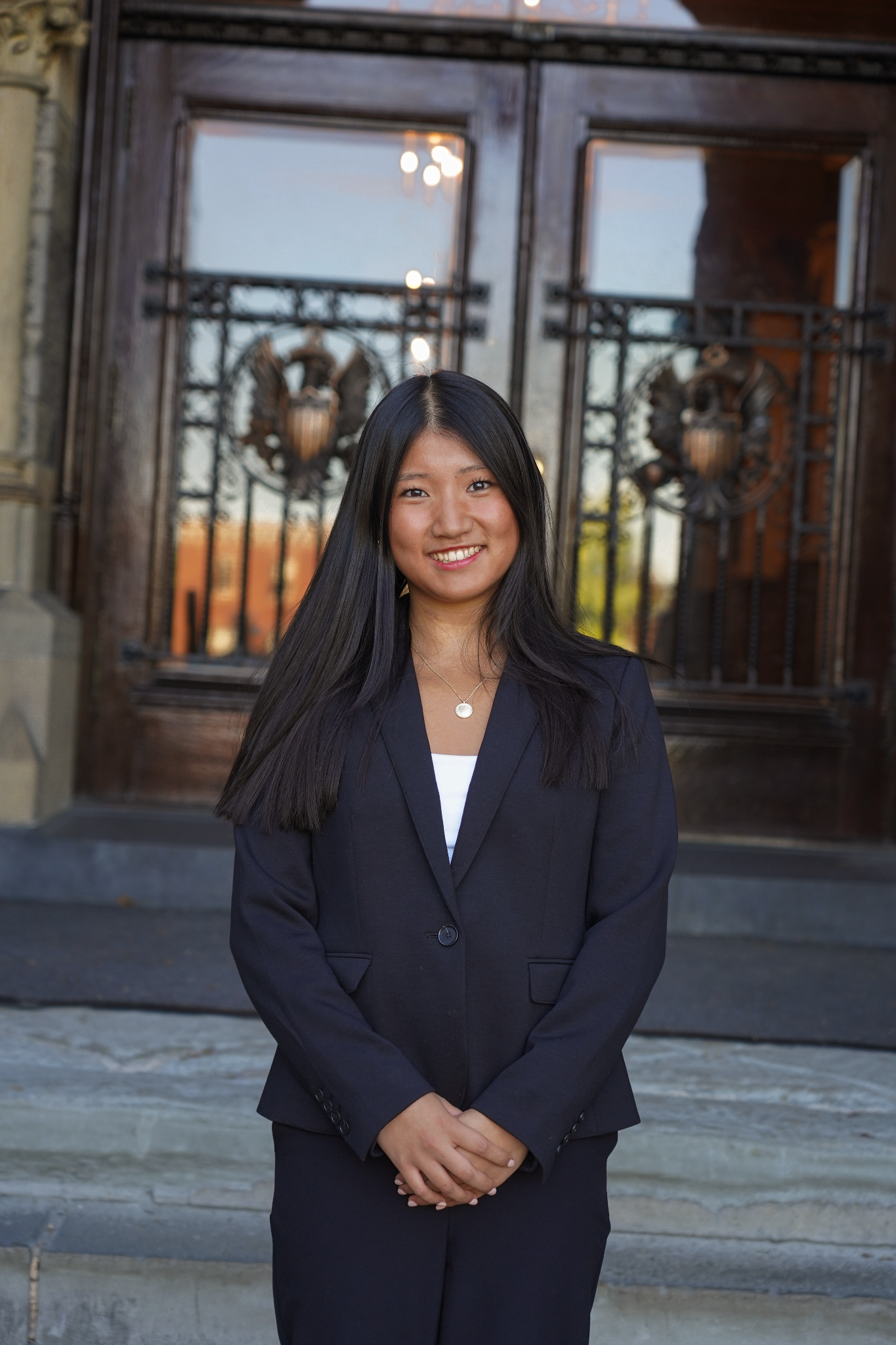 Julia Li is a sophomore majoring in Government and Economics from South Riding, Virginia.