
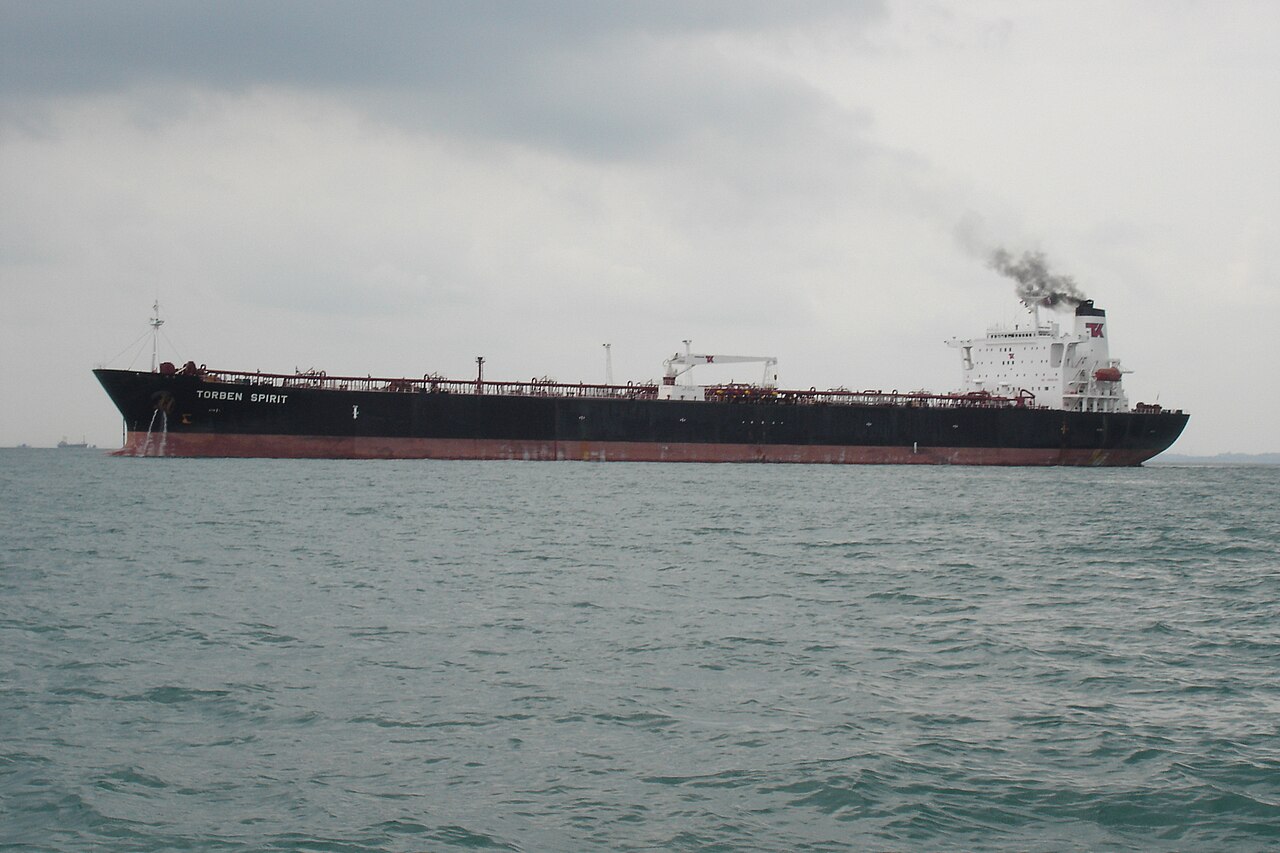
Following a February 28, 2026 joint US-Israel military operation against Iranian targets, the Islamic Revolutionary Guard Corps announced it would block vessel passage through the Strait of Hormuz. Since approximately “20% of the world's oil and natural gas” transits this waterway regularly, crude prices surged dramatically—reaching $98.91 per barrel by March 13, representing roughly a 39% increase from late February levels.
Asian nations face particular vulnerability, as this region sources “46% of crude oil imports” through the Strait, with certain countries experiencing even higher dependency rates—South Korea at 63% and Japan at 78%. Governments across the region implemented emergency protocols. The Philippines mandated fuel consumption reductions of at least 10%, while Bangladesh initiated vehicle fuel rationing. Myanmar's military government introduced an unusual rotation system preventing half of private vehicles from operating daily. Thailand, Laos, and Myanmar reported extended queues at fuel stations.
Wealthier economies showed concerning economic signals. South Korea's stock market dropped 18% within four days, prompting presidential price controls. Japan's Mitsubishi Chemical Group reduced plastic precursor production. Both nations drew from strategic petroleum reserves, with China reportedly considering similar measures.
Geopolitically, China may benefit disproportionately. Though importing substantial Middle Eastern crude, China relies less heavily on petroleum than regional competitors and maintains considerable domestic reserves. Notably, approximately “half of new cars sold are either hybrid or electric,” insulating its economy from supply disruptions. Reports indicate Iran shipped roughly 12 million barrels to China despite general Strait blockades.
On March 11, the International Energy Agency announced member nations would collectively release 400 million reserve barrels. However, three days later, American forces targeted 90 military installations on Kharg Island—Iran's primary oil export terminal—escalating tensions as Tehran threatened retaliatory infrastructure strikes.
Aidan Green is a Junior from Pittsburgh, Pennsylvania, studying Government and Economics in the College of Arts and Sciences.