
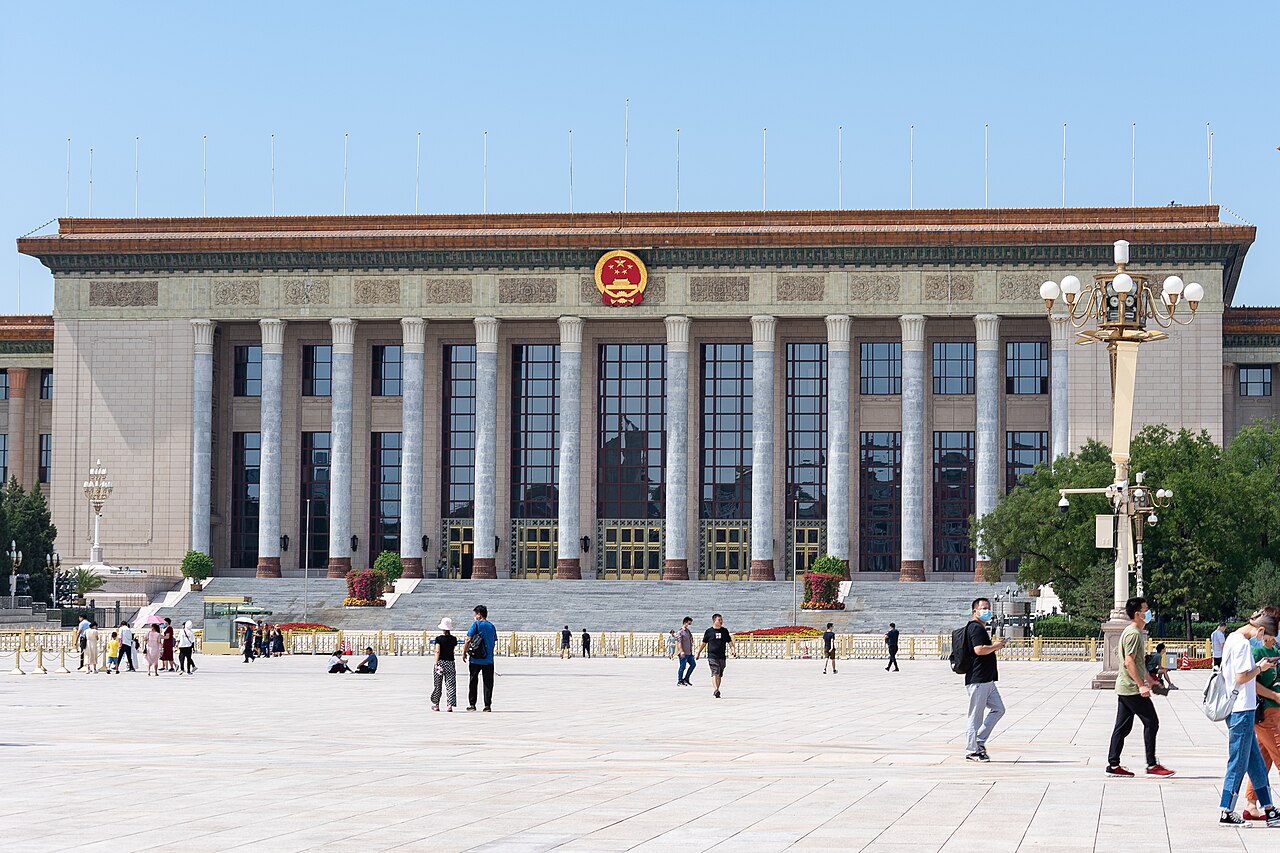
The 2026 National Two Sessions in Beijing revealed growing ambition among China's leadership to rebalance the economy through stronger redistribution and consumption. These annual political gatherings consist of the National People's Congress, which holds legislative authority and reviews government work, and the Chinese People's Political Consultative Conference, a consultative body where representatives discuss policy ideas.
This year's discussions emphasized strengthening domestic consumption. Chinese policymakers advocated for “a more proactive fiscal policy” to expand consumer demand, even at unprecedented spending and debt levels. The shift reflects recognition that growth must move beyond production-focused models toward consumption and household income growth.
Several proposals highlight this redistributive orientation. Members proposed abolishing Labor Dispatch employment systems, where intermediary agencies hire workers at lower wages and weaker benefits than direct employees. Another proposal suggests incorporating labor law compliance into bureaucratic performance evaluations, addressing the controversial “996” work culture. Additionally, standardizing rural and urban pension systems emerged as a heated discussion, as rural retirees currently receive significantly smaller pensions than urban counterparts.
While skeptics contend China won't abandon production-driven growth, particularly in electric vehicles and advanced manufacturing, these redistributive signals don't contradict industrial priorities. Rather, the government appears pursuing a dual strategy: maintaining industrial competitiveness while expanding consumption and social welfare.
Success faces multiple obstacles. Global instability, particularly Middle East tensions affecting energy supply chains, poses risks. Domestically, local government debt remains persistent, and continued investment rather than deleveraging may deepen China's debt burden. Most fundamentally, China's declining population threatens long-term consumption growth, requiring significant improvements in household income and welfare.
Despite these challenges, the Two Sessions signals suggest China's leadership recognizes previous development model limitations. By emphasizing labor protections, rural welfare, and consumer demand, policymakers attempt rebalancing toward more equitable development.
Zhenghe Qian is a Junior from SFS-Q majoring in international history.