As debates over human rights, sovereignty and global accountability intensify, the United States' decision to skip its own UN review raises unsettling questions: who gets to define human rights norms, and what happens when the system's most powerful actors refuse to participate?
International institutions, like the United Nations, are designed to check state behavior, ensuring that global norms are still being followed despite rising national interests. The Universal Periodic Review or UPR mechanism, central to the Human Rights Council's mandate, was created precisely to ensure that every state, regardless of power, undergoes the same process.
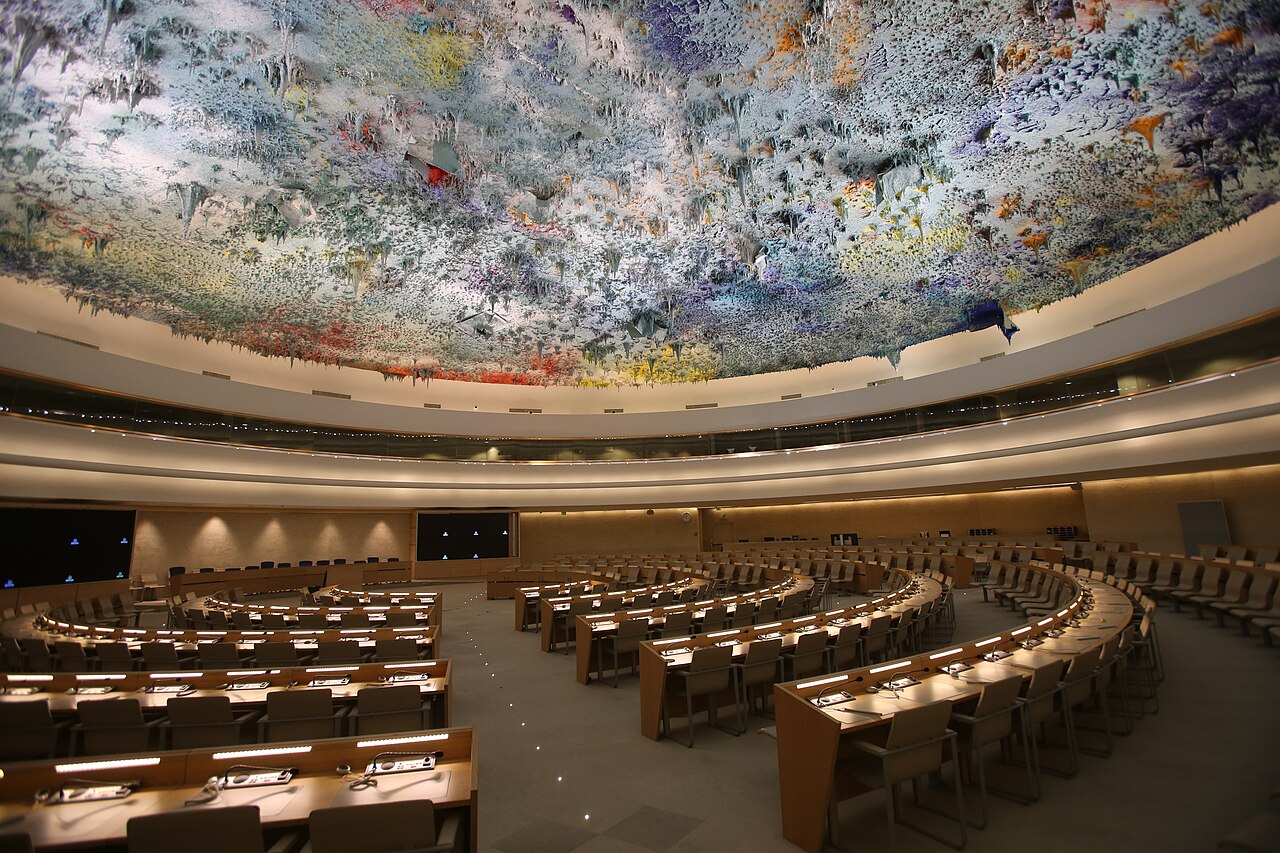
Yet, on Nov. 7, 2025, the United States failed to appear for its scheduled review in Geneva, highlighting an enduring challenge: what is the purpose of the institution if it relies on state cooperation?
Critics argue that the United States' absence undermines the core principles of universality that the UN tries to uphold. By refusing to participate in one of the few global mechanisms where every country is equally reviewed, the US signals that great powers may consider themselves above the norms they expect others to follow.
The context of this decision is also important to consider given that the United States has faced international criticism in recent years. Whether it be handling of broader policies including its participation in conflicts like Russia-Ukraine or Israel-Palestine to domestic policy practices including the National Guard and new advancements to the Department of Homeland Security.
Though the council rescheduled the United States review for 2026, the impact was clear. When a player does not engage, it strains the cooperative fabric of the system. Yet paradoxically, it also makes other actors reaffirm their commitment to multilateralism because it is now in their power and will to defend universal norms.
For the United States, failing to participate in human rights mechanisms can weaken leadership especially when aiming to have influence abroad. In 2024 alone, over 300 anti-LGBTQ+ bills were introduced across U.S. states, and more than 10,500 individuals were placed in solitary confinement in U.S. immigration facilities between April 2024 and May 2025.
If the United States selectively participates in mechanisms like the UPR, what message does this send to emerging powers or authoritarian states? Critics argue that it weakens the normative fabric of human rights as a whole, creating space for other states to justify non-cooperation or reinterpretation of global standards.
Whether the United States chooses to reengage in 2026 will influence not only its own standing, but also the credibility of the human rights system itself, demonstrating the deeply-intertwined connection between domestic choices and global governance.
Hannah Abdelshahid is a Freshman majoring in International Politics in the School of Foreign Service. She is from Cairo, Egypt.