Featured




Long known as a Democratic stronghold, California is on the verge of its first Republican governor in nearly 15 years. With incumbent Governor Gavin Newsom restricted by term limits and no clear replacement in line, California Democrats have a crowded field of candidates vying for the position.
In mid-February 2026, India hosted what may become one of the most consequential AI summits in recent memory. The India AI Impact Summit 2026, held in New Delhi from 16-20 February under the IndiaAI Mission, drew heads of state, technology CEOs, and policy leaders from over 100 countries to discuss the future of AI. The conversation focused not only on technological breakthroughs but also on AI’s growing role in global power, strategic influence, and economic competition
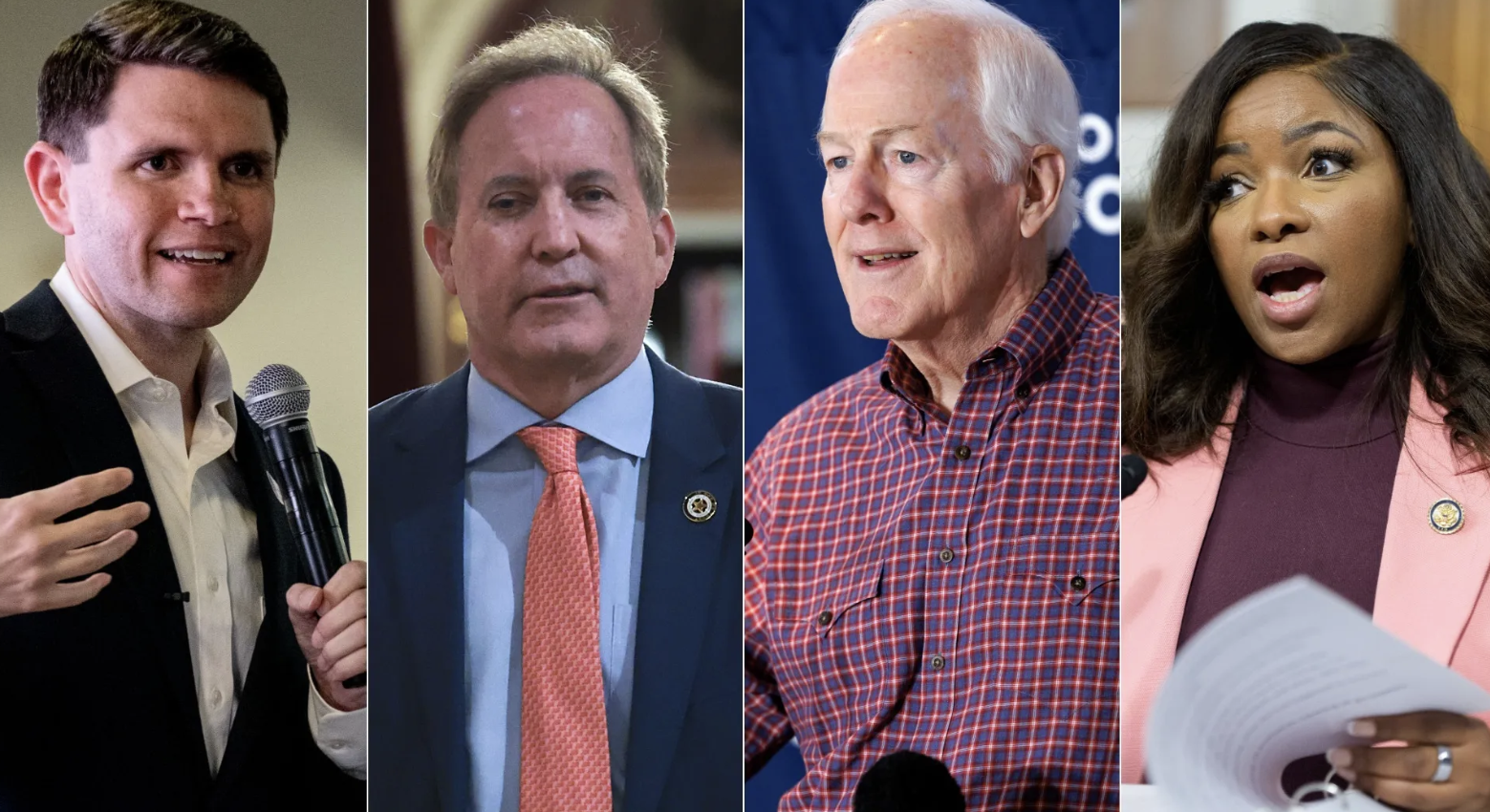
While Texas State Representative James Talarico pulled out the victory over Representative Jasmine Crockett (D-TX) in early March, the Republican primary will head to a run-off, with neither candidate having received the endorsement of President Trump just yet.
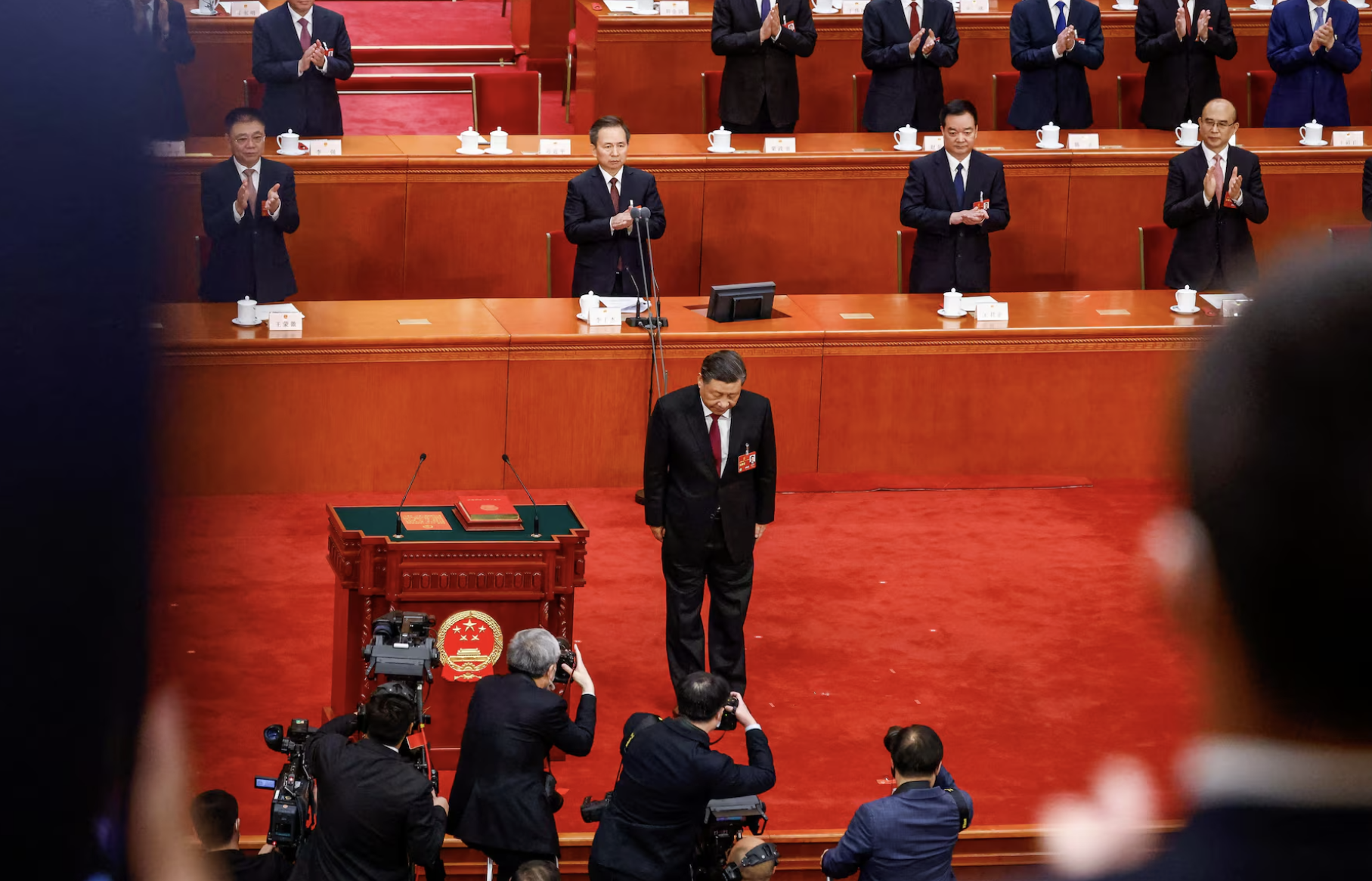
The 2026 National Two Sessions in Beijing revealed a growing ambition within China’s leadership to rebalance the economy through stronger redistribution and consumption. The positive signals from this year’s meetings could mark a turning point in China’s economic grand strategy.
On February 28, 2026, the United States and Israel launched a joint strike against Iranian military targets. Shortly thereafter, the Islamic Revolutionary Guard Corps (IRGC) announced that it would impede any vessels from passing through the Strait of Hormuz.
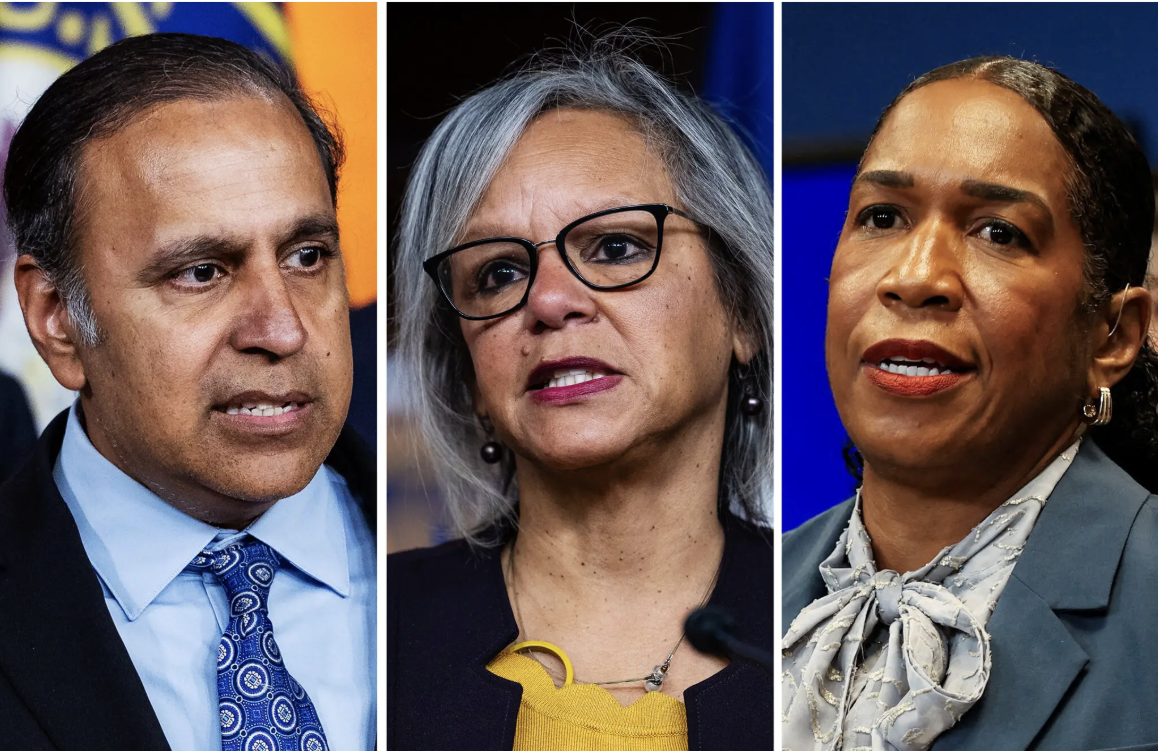
The March 17 Illinois primary elections were heavily influenced by politicians of the past while also serving as an indication of the future, illustrating the ideological tensions within the Democratic party.