
An Emerging Asian Oil Crisis: Fallout from the US-Iran War
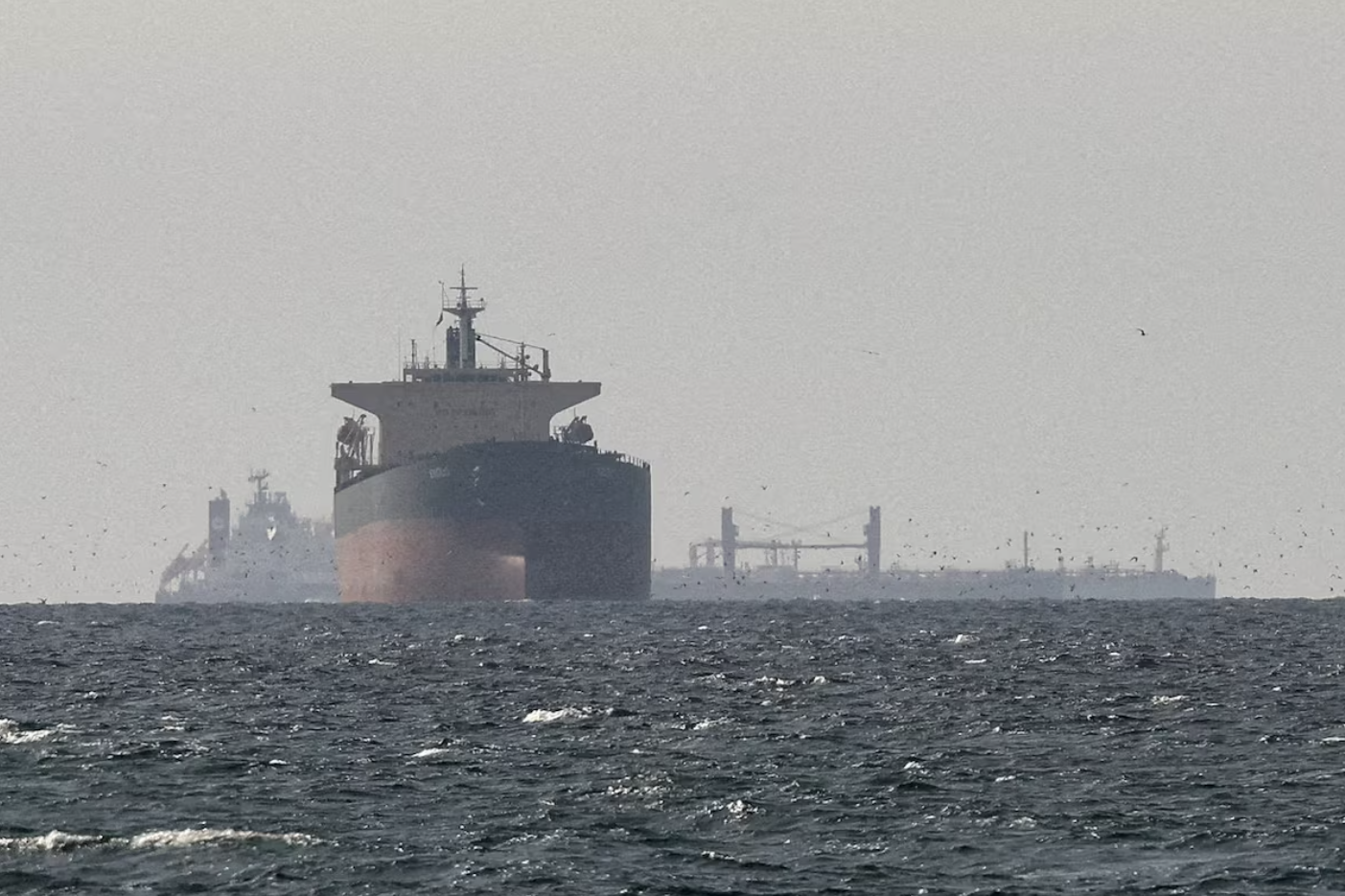
AIDAN GREEN: On February 28, 2026, the United States and Israel launched a joint strike against Iranian military targets. Shortly thereafter, the Islamic Revolutionary Guard Corps (IRGC) announced that it would impede any vessels from passing through the Strait of Hormuz.
About 20% of the world’s oil and natural gas passes through the Strait of Hormuz regularly. Globally, the closure of the Strait has resulted in a skyrocketing of the price of crude oil, trading at $98.91/barrel as of Mar. 13, an increase of approximately 39% from the Feb. 27 figure. The United States has announced its intent to provide naval escorts and risk insurance for tankers crossing the Strait of Hormuz, but as of Mar. 15, neither action has been realized.
The impact of the oil crisis is especially strong in Asia, where 46% of crude oil imports pass through the Strait of Hormuz. This percentage is as high as 63% in South Korea and 78% in Japan.
In anticipation of an impending energy shortage, many governments in Asia have begun to enact emergency measures. The Philippines, for example, has informed all national and local authorities to reduce fuel consumption by at least 10% and has set minimum air conditioning temperatures at 24 degrees Celsius (~75 F). In Bangladesh, where 95% of oil is imported from abroad, fuel rationing has begun for most vehicles, with the amount allotted varying by vehicle type. In neighboring Myanmar, in perhaps the most bizarre of the measures taken in response to the oil crisis, the ruling military junta has banned half of all private vehicles from driving on any given day, rotating daily. Additional measures have been implemented across the region. Lengthy lines at gas stations have been reported in Thailand, Laos and Myanmar.
Even in relatively wealthier countries, the lack of domestic oil production and reliance on oil imports from the Middle East has begun to bear economic effects. In South Korea, the national stock market fell 18% over the course of four days, and the President has announced price caps on fuel. In Japan, the Mitsubishi Chemical Group has begun scaling back production of a gas used to make plastics. South Korea and Japan have begun drawing from their national oil reserves, with China reportedly considering the same.
Over the long-term, the oil crisis may advantage China over its regional adversaries. Although China imports a substantial portion of its oil through the Strait of Hormuz, it imports far less than do South Korea and Japan, and the nation is generally less reliant on crude oil than many of its counterparts. China maintains substantial oil reserves, and has a sizable domestic level of production of its own. Furthermore, China has begun rapidly electrifying – approximately half of new cars sold are either hybrid or electric – cushioning its economy from oil shocks. Perhaps most crucially, it has been reported that, in spite of the general halting of shipping through the Strait of Hormuz, Iran has sent approximately 12 million barrels of crude oil to China since the war began. Even so, China is not entirely immune from the impacts of the crisis, albeit less so than any other major economy in the region.
On March 11, the International Energy Agency announced that its member countries would release a total of 400 million barrels of oil from their emergency national reserves to ease supply chain complications. However, the impact of such a release on Asian countries, who generally lack large domestic oil reserves of their own, is unclear.
On March 13, the United States struck 90 military targets on Kharg Island, the primary terminal through which the vast majority of Iran’s oil exports flow. Although economic assets were not targeted, Iran has threatened retaliatory strikes against oil infrastructure across the region, risking a further escalation of the crisis.
Aidan Green is a Junior from Pittsburgh, Pennsylvania, studying Government and Economics in the College of Arts and Sciences