Advocates for women’s rights throughout the world felt the victory and progress being made when the Mexican Supreme Court recently federally decriminalized abortion.
— Anna Wice
Read More
Advocates for women’s rights throughout the world felt the victory and progress being made when the Mexican Supreme Court recently federally decriminalized abortion.
— Anna Wice
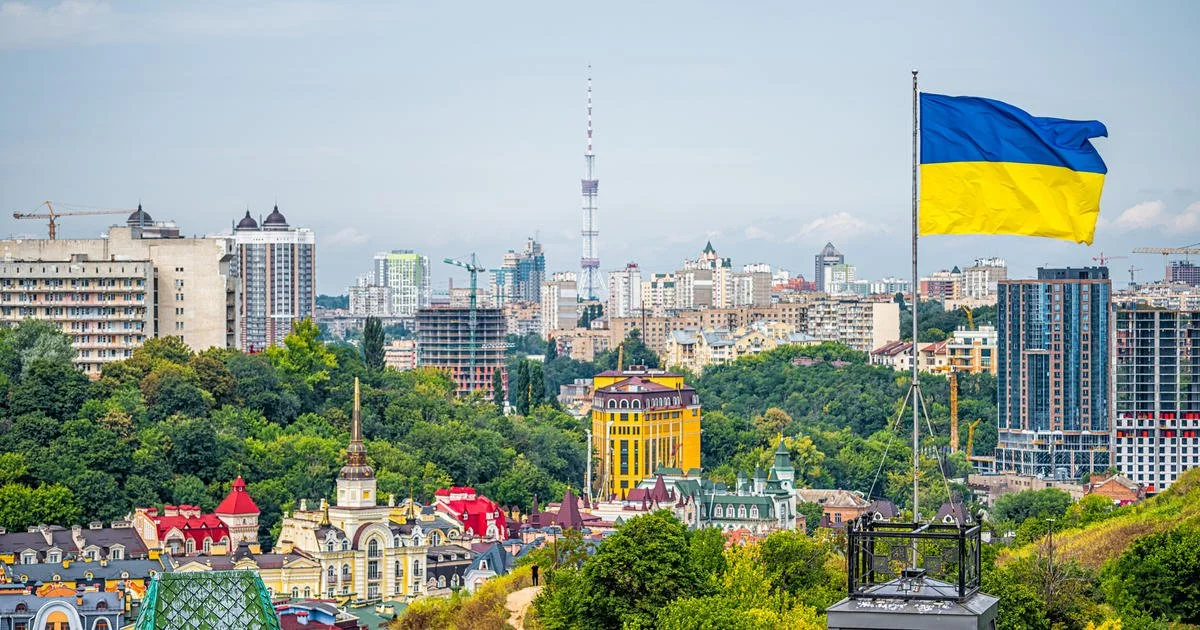
Read MoreAs enticing as the idea of two warring states pursuing peace may seem, peace simply for peace’s sake is not necessarily a virtue. One must understand what is at stake and consider whether diplomacy will in fact maximize international security and prosperity in the long-term. Considering the historical and geopolitical context surrounding the Russian invasion of Ukraine, exerting pressure on President Zelensky to accept Putin’s demands would be a grave mistake.
— Zach Fontiadis
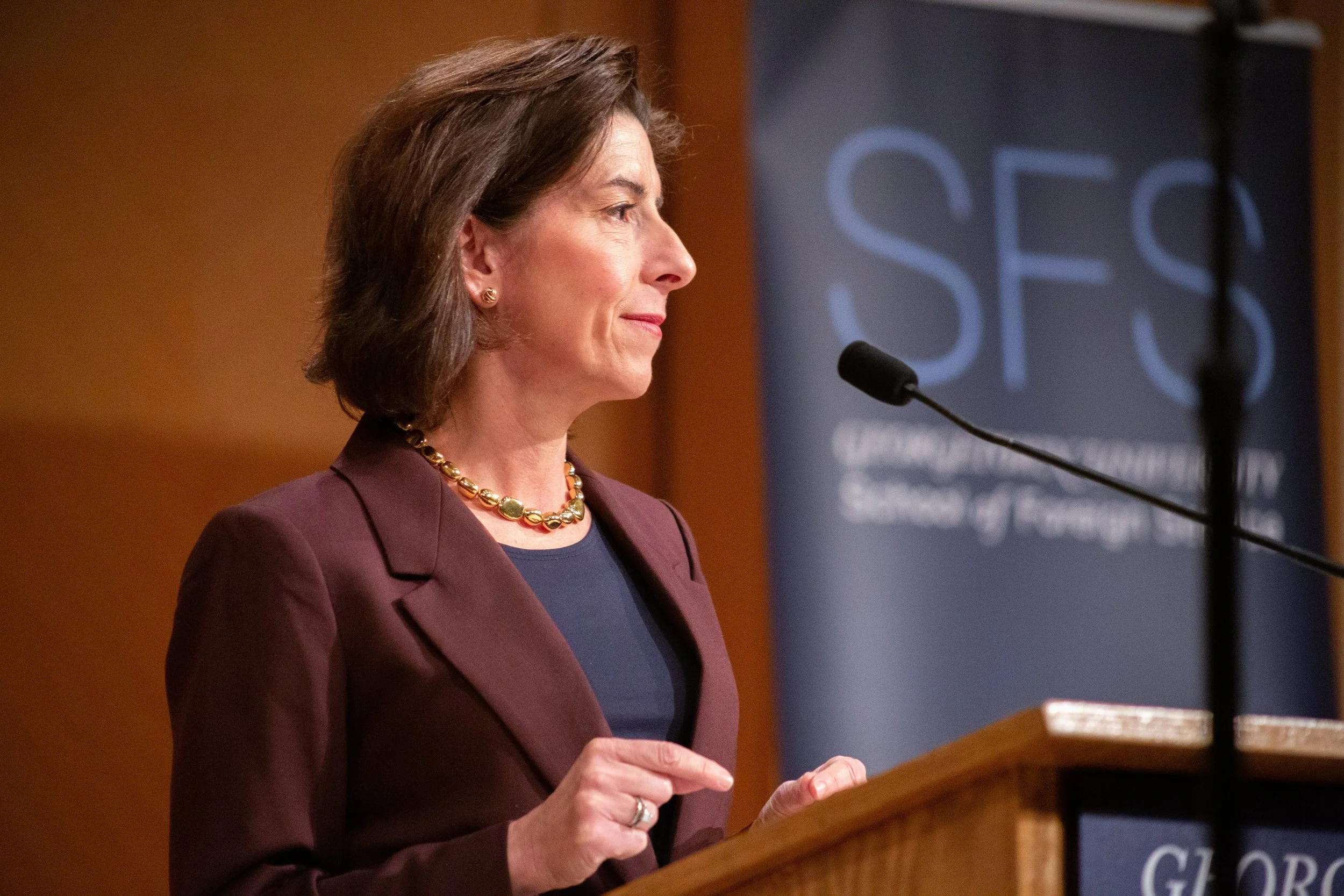
Read MoreSpeaking in the Lohrfink Auditorium at an event sponsored by Georgetown University’s School of Foreign Service, Secretary of Commerce Gina Raimondo praised the “incredible opportunity we have as a nation to unleash the next generation of American innovation, protect our national security, and preserve our global economic competitiveness.” She was, of course, speaking of the recent, under-the-radar passage of the CHIPS and Science Act, along with new Biden administration trade rules.
— Asher Maxwell
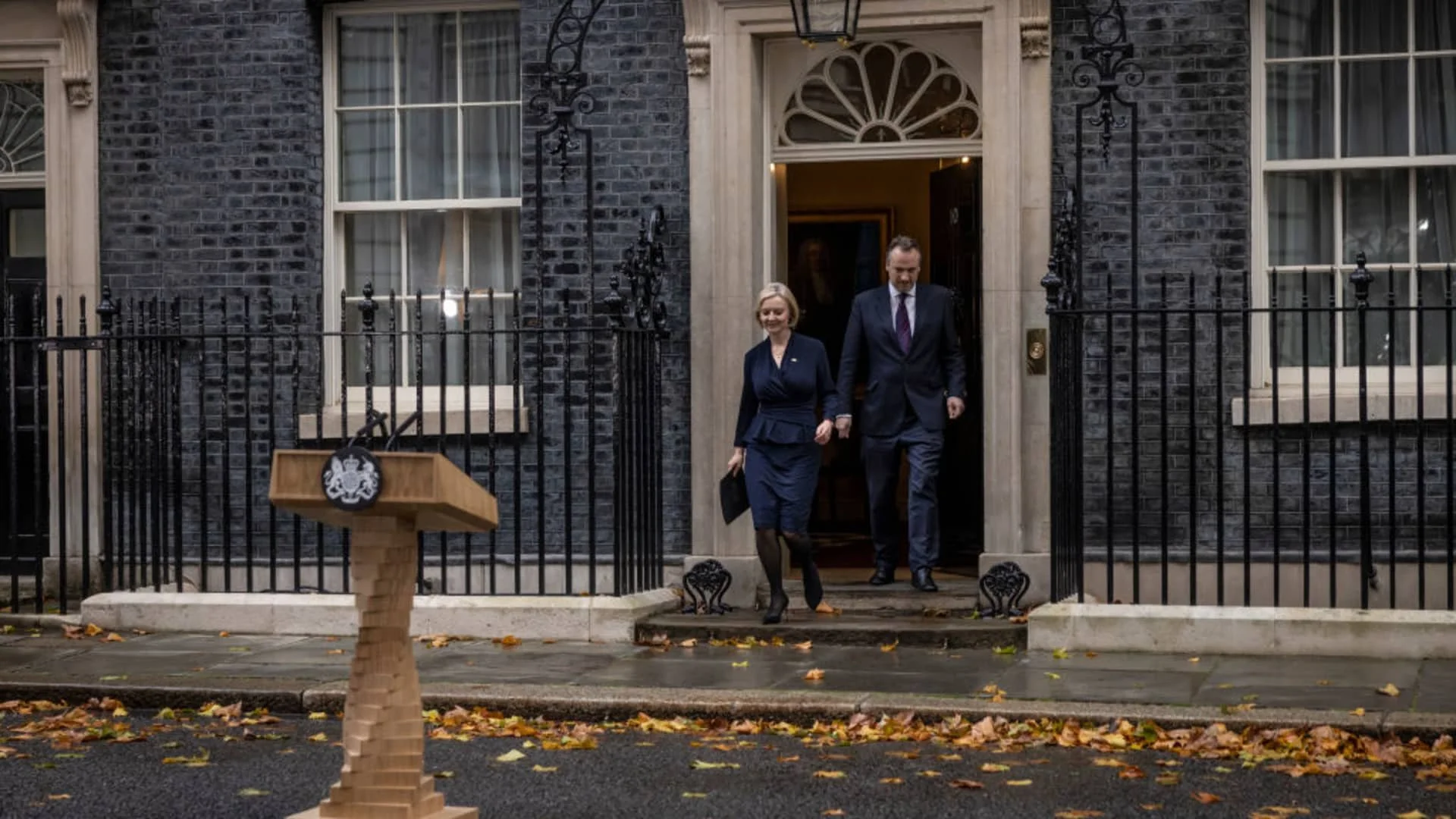
Read MoreLiz Truss resigned on the morning of October 20. In her mere 44 days as Prime Minister (the shortest of any Prime Minister in British history), Truss managed to crash the British economy, create yet another political crisis for Britain, and then promptly resign.
— Andrew Wong
Read MoreOn February 24, 2022, Russian President Vladimir Putin delivered what will likely be regarded as among the most notorious speeches in modern history. His very first grievance in the address was perhaps the most critical, as he parroted a line long professed by ardent Russian foreign policy apologists: preventing NATO expansion.
— Zach Fotiadis
Read MoreTying countries together economically intended to construct a system for automatic and discretionary consequences for aggressive action. However, through the decades of relative international peace we have yet to see a successful, full-scale test of this ideology. Russia’s war on Ukraine highlights the failures of economically bonded world peace.
— Elizabeth Johnson
Read MoreInvoking the legacy of colonialism, the Kenyan delegation excoriated President Putin for his exploitation of ethnic tensions and irredentist visions to justify his bombardment of a sovereign power.
— Zach Fotiadis
Read MoreIn a political climate that has facilitated the rise of authoritarianism and amplified public mistrust of the media, the awarding of the Nobel Peace Prize to Maria Ressa comes at a critical moment.
— Ethan Johanson
Read MoreU.S. humanitarian aid to Lebanon is a step in the right direction to helping the nation get back on it’s feet , but Lebanon’s recovery from economic crisis, Beirut blast, and COVID-19 will be slow.
— Rajaa Bint Talal
Read MoreWhat happens when a civilian reporter’s life gets wrapped up in bilateral nuclear power negotiations? To what extent does valuing an individual’s survival compare with the impending threat of violent conflict? For Jason Rezaian, these questions were not hypotheticals to be debated among international relations scholars or on the nightly news. Rather, the answers to them were the only bridge between a life trapped inside an eight-by-four foot cell and freedom.
— Mia Young
Read MoreNicaragua and Colombia went before the International Court of Justice in September 2021 as the first step towards resolving alleged violations of Nicaraguan sovereignty in the Caribbean.
— Riley Swain
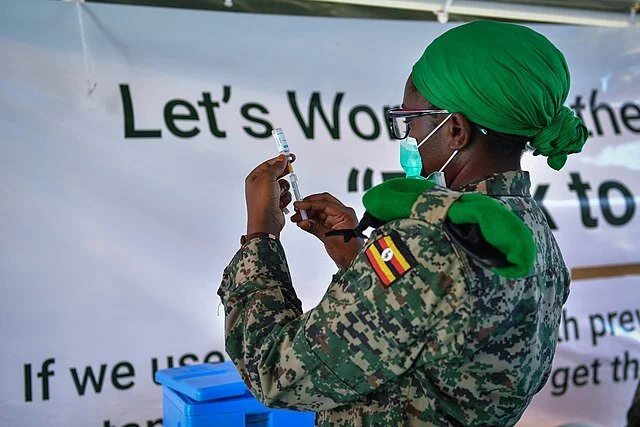
Read MoreAs Africa lags on vaccine access, the United States is ignoring its moral imperative to collaborate with African governments and support equitable vaccine distributions on the continent.
— Eric Bazail-Eimil
Read MoreThis month, OTR will be spotlighting articles that do a deep dive into how U.S. policies impact people across the globe. This spotlight is an opportunity to take policy analysis a step further and compel us to consider how our actions, both our advocacy and silence, impact communities beyond our borders.
— Carly Kabot
Read MoreAfter 260 NGOs urged banks not to finance a $3.5 billion oil pipeline in East Africa, the Biden administration must consider alternatives to offer Uganda, Tanzania and other nations to generate electric power and stimulate their economies.
— Zega Ras-Work
Read MorePresident Joe Biden’s promise to halt all relevant arms sales to Saudi Arabia and appoint a senior diplomat to Yemen should only be the start of a long and arduous road towards peace.
— Himaja Reddy
Read MoreDevastating typhoons in the Philippines emphasize the need for President elect-Biden to take decisive action against climate change. Though long overdue, now is the time for the U.S. to acknowledge its role in natural disasters across the globe.
— Ethan Johanson
Read MoreTrump is hastening a national walk off the international stage, leaving the country with no better alternative.
— Austin May
During my year abroad in London, British politics has taken a series of unexpected twists and turns surrounding the issue of Brexit. Yesterday, the United Kingdom chose its future.
—Anusha Agarwal
Read MoreEven Trump allies recognize that the decision to abandon the Kurds in Syria will ensure the re-emergence of ISIS.
— Jacob Denninger
Read MoreCentral America is in dire need of American assistance. Cutting U.S. aid will undermine border security.
—Maddi Larmore
Read More